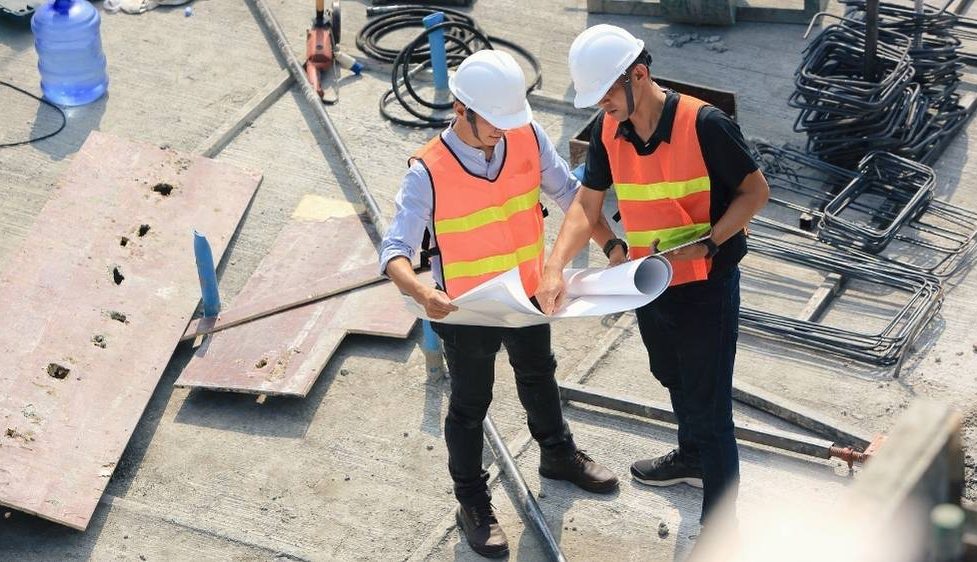
When we walk past a massive construction project in the middle of a city, our eyes are naturally drawn to the rising steel frames or the glass facades. What we often overlook are the intricate systems holding everything together during the build. Scaffolding, shoring, formwork, and even the massive crane bases are all examples of temporary works. These are the elements that aren’t meant to be there forever, but without them, the permanent structure simply couldn’t exist. Because these structures are temporary, there is sometimes a dangerous misconception that they require less oversight than the final building. In reality, the opposite is true. Temporary works are often where the highest risks reside on a construction site.
This is exactly why a Temporary Works Course has become such a fundamental part of professional development in the UK construction industry. It isn’t just about ticking a box for compliance; it is about understanding the complex physics and management strategies required to keep a site stable while it is in its most vulnerable state. When a permanent building is finished, it has been designed to stand for decades. However, during construction, loads are shifting, ground conditions are changing, and equipment is being moved constantly. Managing this volatility requires specialised knowledge that goes beyond general site management.
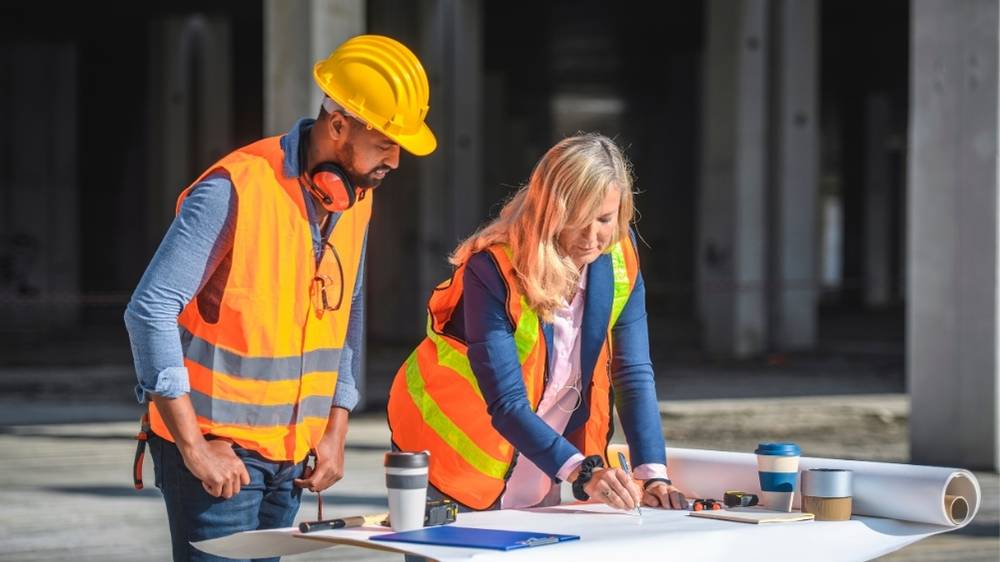
What actually falls under the bracket of temporary works
It is helpful to clarify what we mean when we talk about temporary works, as the scope is much broader than many people first realise. If you are considering enrolling in a Temporary Works Course, you will quickly find that the syllabus covers a wide array of structures and processes. Generally, temporary works are divided into three main categories:
- Earthworks: This includes things like trenches, excavations, cofferdams, and any temporary slopes or bunds created to manage the ground.
- Structures: This is the most visible category, covering scaffolding, falsework, formwork, propping, and even temporary bridges or site hoardings.
- Equipment support: This involves the foundations for tower cranes, piling rigs, and any heavy plant machinery that requires a stable platform to operate safely.
Each of these categories carries its own set of risks. A failure in a trench can lead to a collapse just as easily as a poorly designed scaffold can. By attending a formal training programme, supervisors and managers learn to recognise these diverse elements and understand that they all require a formalised process of design, check, and inspection.
The legal framework and BS 5975
In the UK, the management of temporary works is governed by specific British Standards, most notably BS 5975. This code of practice provides the gold standard for how temporary works should be designed and managed on-site. It introduces key roles that are essential for maintaining safety, such as the Temporary Works Coordinator (TWC) and the Temporary Works Supervisor (TWS). A comprehensive Temporary Works Course will dive deep into these roles, ensuring that everyone involved understands their legal responsibilities under the Construction (Design and Management) Regulations 2015.
The beauty of the BS 5975 framework is that it focuses on a procedural approach. It isn’t just about whether the scaffold is strong enough; it is about whether there is a record of who designed it, who checked the design, and who gave the final permission to load it. This “permit to load” system is a life-saver on busy sites where multiple contractors are working simultaneously. Without a clear chain of command and documented evidence of safety checks, mistakes happen. The training ensures that these procedures are not seen as mere paperwork, but as a vital safety barrier.
Who should be taking these courses
There is a common myth that only engineers need to worry about temporary works. While the technical design certainly requires engineering expertise, the day-to-day management falls on the shoulders of site staff. A Temporary Works Course is actually designed for a variety of roles across the project hierarchy. If you are a site manager, a project manager, or an experienced supervisor, this training is often a requirement for your role.
- Site Managers: Need to understand the overall coordination of temporary works to ensure they don’t clash with permanent works or other site activities.
- Supervisors: Are often the ones on the ground inspecting the structures daily. They need the technical eye to spot when something doesn’t look right.
- Contractors and Sub-contractors: Anyone responsible for erecting or dismantling temporary structures must understand the broader safety context of the site.
- Health and Safety Officers: Need to know what to look for during audits to ensure the site is following the BS 5975 procedures correctly.
The practical benefits of better training
Beyond the obvious goal of preventing accidents, there are several practical reasons why investing in a Temporary Works Course makes sense for a business. Firstly, it significantly reduces the likelihood of project delays. When temporary works fail—even if no one is hurt—the resulting investigation and remedial work can bring a site to a standstill for weeks. By getting the management right the first time, you keep the project moving forward.
Secondly, it helps with cost control. Over-engineering temporary works because you are unsure of the risks can be incredibly expensive. Conversely, under-engineering them leads to failures that are even costlier. A trained coordinator can work effectively with designers to find the most efficient and safe solution for the specific site conditions. This level of professional competence also looks great to clients. In an increasingly competitive industry, being able to demonstrate that your team is fully trained in the latest safety standards can be the deciding factor in winning a major contract.
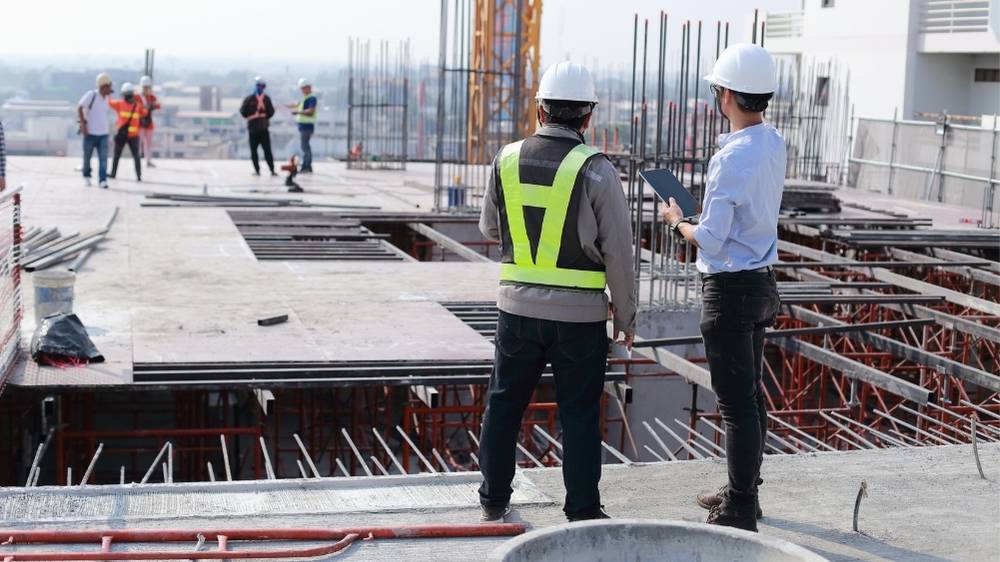
How the training is delivered and what to expect
Most people find that a Temporary Works Course is quite intensive but highly rewarding. It is usually delivered over two days for coordinators or one day for supervisors. The curriculum typically involves a mix of classroom learning, case studies of past failures (which are often very eye-opening), and group exercises. You will learn how to create a Temporary Works Register, which is essentially the master list of every temporary structure on your site. You will also learn how to classify the risk levels of different works, which determines how much checking is required.
Modern training centres now offer these courses both in-person and through remote learning platforms. Regardless of the delivery method, the focus remains on practical application. You won’t just be memorising regulations; you will be looking at real-world scenarios and deciding how to manage them. This hands-on approach ensures that when you return to your site the following Monday, you have a clear plan of action and a newfound confidence in your ability to manage the hidden risks of construction.
Ultimately, the industry is moving toward a place where this level of training is no longer optional. As safety standards continue to rise and the complexity of our buildings increases, the reliance on temporary structures will only grow. Ensuring that your team has the skills to manage these structures is the most effective way to protect your workers, your reputation, and your bottom line. It is about moving away from a culture of “that looks about right” to a culture of “we know this is safe because we have followed the correct procedure.”

Sophie Lancaster focuses on music trends, artist lineups, and the evolution of festival soundscapes. She provides insights into genre diversity, festival logistics, and must-see acts each season.